
The waiting is what gets to you.
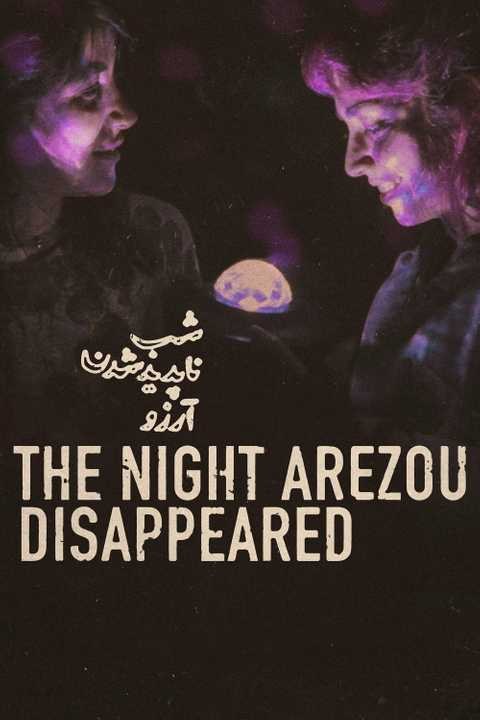
Arezou has gone out during the protests in Tehran and has not come home. Her sister Rana, a piano teacher, tries to find out what has happened. As people gather and the night continues, every piece of information becomes something to examine, doubt or cling to.
Set during the 2022 uprising, Arian Vazirdaftari’s The Night Arezou Disappeared finds considerable dramatic force in that uncertainty. Much of the action stays inside the home, where fear affects how people speak to one another and what they are prepared to do. The danger outside enters through the search for someone they love.
The screenplay is exceptional at changing our understanding of the situation. Just as one explanation begins to seem plausible, another detail alters it. Those developments kept me completely involved. They also give the characters difficult decisions to make with incomplete information, which is where the tension becomes especially persuasive.
The performances hold that tension without making every exchange an announcement of distress. There is a naturalness to the way people disagree, respond and try to manage what they cannot control. The film trusts those interactions. It gives the fear time to develop, and avoids using suffering as an easy way to demand a response.
Arezou’s absence gradually changes as we learn more about her relationships. Memories and fleeting appearances complicate what we think we understand. The missing person at the centre of the story acquires a life beyond the question of where she is. That matters enormously in a film about someone whose freedom has put her at risk.
The family’s differences make the political conflict more immediate. They share a wish to find her, but they have different ideas about how to live under the regime and what can safely be challenged. Love does not make those disagreements disappear. It can make them harder to bear.
What interests me most is how seriously the film takes the desire for freedom. The potential consequences are present throughout. So is the need to live differently. Vazirdaftari allows us to understand that desire through people whose choices affect one another, giving it an urgency that political declarations alone rarely achieve.
The circumstances of the production belong to that same reality. Filmed independently and in secret from the authorities, The Night Arezou Disappeared required its makers to take risks in order to tell this story. There is something deeply familiar here to anyone who values DIY culture: people organising around work they believe needs to exist, using the means available to them.
The storytelling is what makes that effort reach us. The writing, performances and control of suspense would deserve attention in any production context. Together, they make this an absorbing film with a clear understanding of the people it follows.
It is an opportunity to encounter a different kind of cinema, made with urgency and considerable skill. The Night Arezou Disappeared stays close to the fear of what might happen, and to the desire that makes people act despite it. I would strongly recommend finding a chance to see it.